A business event should not end when the last guest leaves. Its real value is a sequence of stories, proof and follow-up that creates qualified interest after the venue closes. Plan the event as a demand asset, not simply a date on the calendar.
Start With One Audience Question
Choose one question the event will answer: how to solve a category problem, what a new offer changes or what buyers should consider next. An executive thought-leadership video can define the central point of view before invitations are sent. A well-planned press meet can then bring journalists, partners and customers into a conversation with value beyond the announcement.
Build the Content System Before Event Day
Do not wait until the event is over to decide what to record. Plan interviews, demonstrations, customer reactions and short expert answers in advance. A Bengaluru video-editing workflow can turn footage into a central recap, short clips and sales-ready explainers.
Some offers need a visual experience before the audience can understand the value. An interactive digital twin can help stakeholders explore a product, facility or process. For mission-led organisations, a simple donation-page setup shows why event attention must lead to a clear online action.
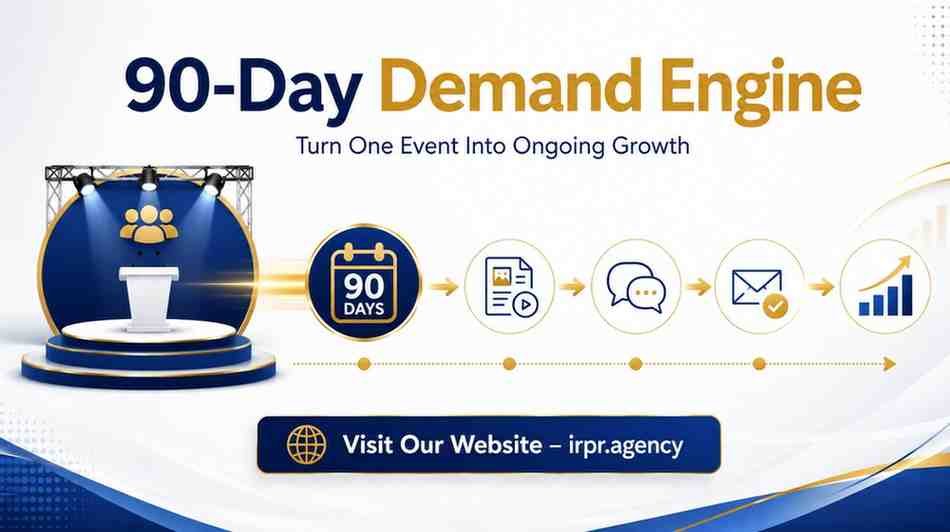
A useful 90-day event plan includes:
- One core story, several proof assets, one follow-up sequence and a measurable next action.
Keep the Conversation Visible
The first week should share the key message and strongest moments. The next few weeks should answer attendee questions, publish expert perspectives and direct audiences towards a consultation, demo or resource.
A flexible TV9 spot-buy plan can extend awareness around the right period, while Zee ticker advertising supports concise recall. An ABP spot-buy strategy can add frequency across relevant news dayparts. In Maharashtra and Goa, a founder interview can turn the event’s main insight into an authority-led story.
Localise the Follow-Up
Adapt the campaign to language and market context without changing its central promise. A Hindi native sponsored article can provide more explanation for research-minded audiences, while Marathi branded content can make the story more relevant to a regional audience.
For consumer brands, event-led attention should also improve the buying moment. Better quick-commerce product thumbnails make the product easier to recognise once buyers move from curiosity to comparison.
Review What Kept Working
Track which assets earn return visits, which content sales teams use and which questions lead to qualified conversations. A successful event does not produce one day of visibility. It creates a content and follow-up system that keeps the demand conversation moving.