
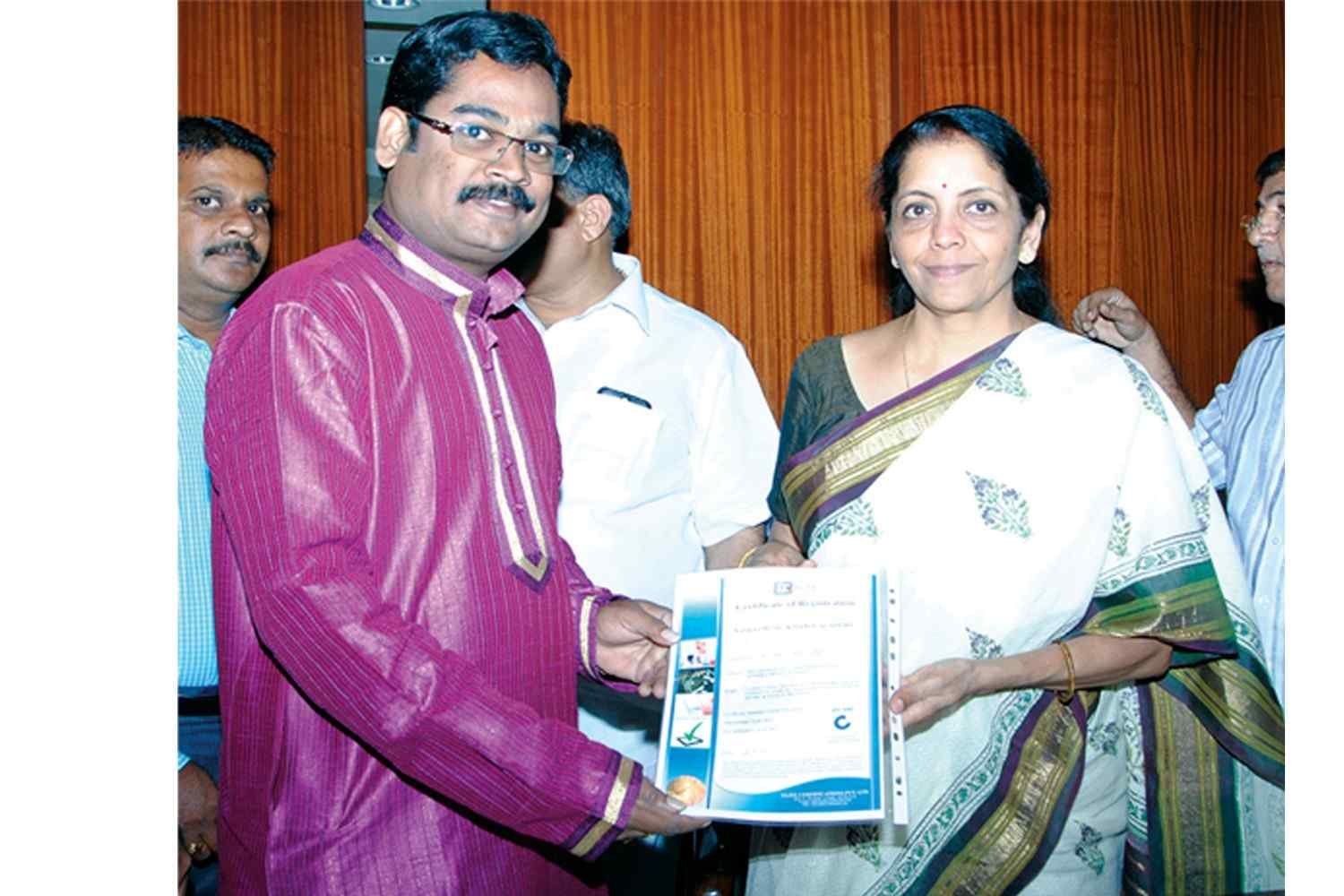
The future of Indian classical arts depends not only on talented performers but also on people who can create sustainable platforms for learning, performance, research and cultural exchange. Over the years, Vikram Kumar B R, popularly known as Bathina Vikram Goud, has developed a multifaceted career aimed at strengthening these different aspects of India’s artistic ecosystem.
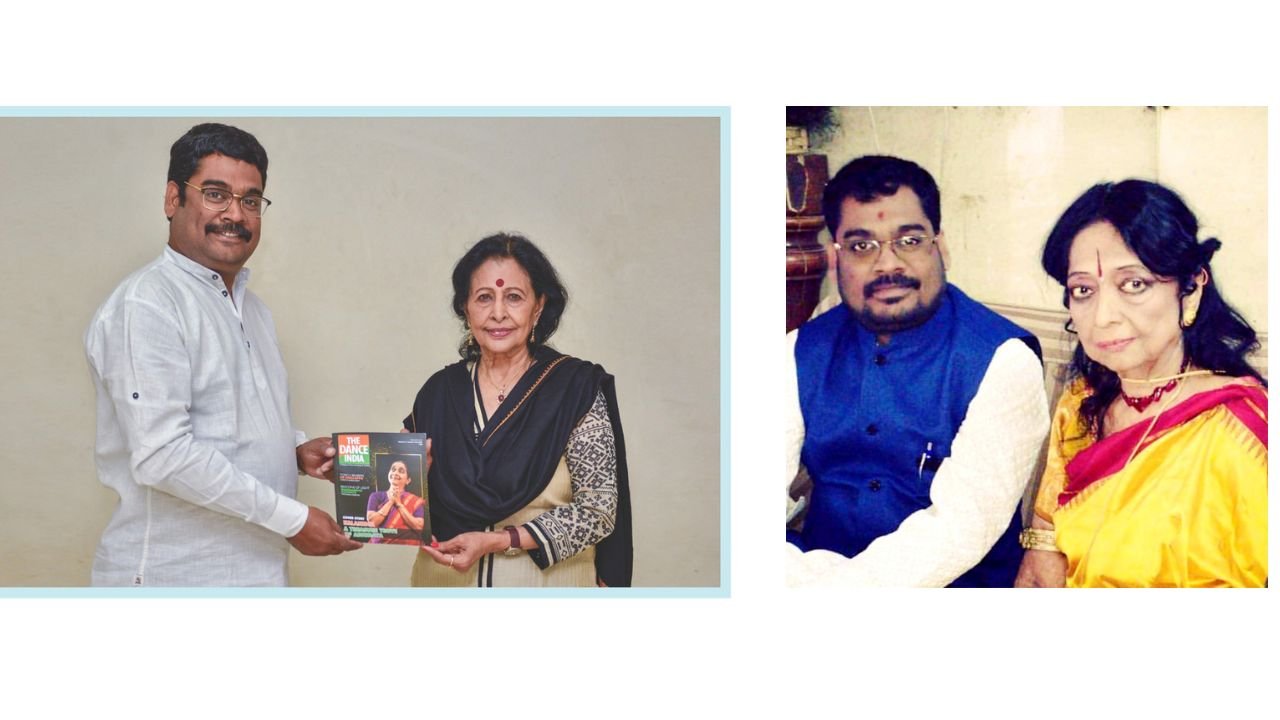
Known for his association with Kuchipudi, Vikram Kumar B R has worked across several fields including choreography, theatre, academic research, cultural organisation, festival direction and cultural journalism. His activities reflect an approach in which preservation and promotion are treated as interconnected responsibilities.
His artistic journey began at an early age, with strong encouragement from his father. His interest eventually developed into formal academic training, and he completed a Master of Arts in Kuchipudi with distinction from Andhra University. His association with the university also included involvement in the development of dance education.
Research became an important part of his artistic development. His investigation into Siva Thandavam and Saptha Thandavam within the Kuchipudi tradition explored the deeper dimensions of classical dance and its relationship with literature and cultural history.
Vikram’s experience also extends to theatre. He completed diplomas in acting and direction and spent around a decade contributing to the Department of Theatre Arts at Andhra University. His participation in mythological, social and philosophical productions provided him with an understanding of storytelling that later influenced his choreographic work.
One of his prominent creative productions is Chenchu Lakshmi Narasimha Kalyanam, an experimental thematic ballet inspired by the history associated with Lord Narasimha of Simhachalam. The production brought together Kuchipudi’s classical vocabulary and traditional folk elements and was presented at more than 150 venues across India.
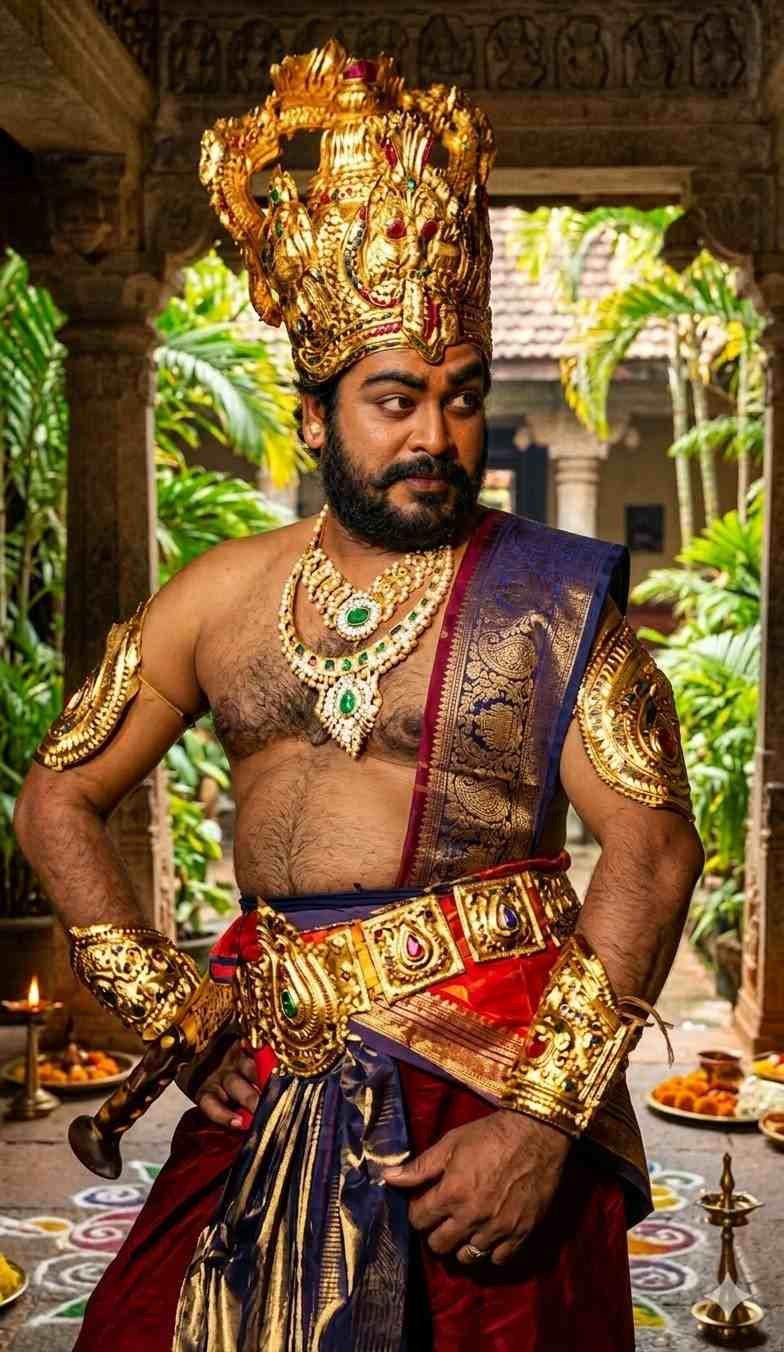
His other productions, including Swachh Ganga – Swachh Bharat, Maha Visakha Vaibhavam, Sri Krishna Leelalu, Society for Future and Youth Never Sleeps, demonstrate the range of subjects that can be presented through classical and theatrical dance.
Beyond choreography, institution building became a major component of his work.
In 2000, Vikram founded the Nataraj Music and Dance Academy, creating a dedicated platform for cultural education and promotion. The academy has offered training in Kuchipudi, Indian folk traditions, Indian classical music and instrumental music while conducting festivals, workshops, seminars and competitions.
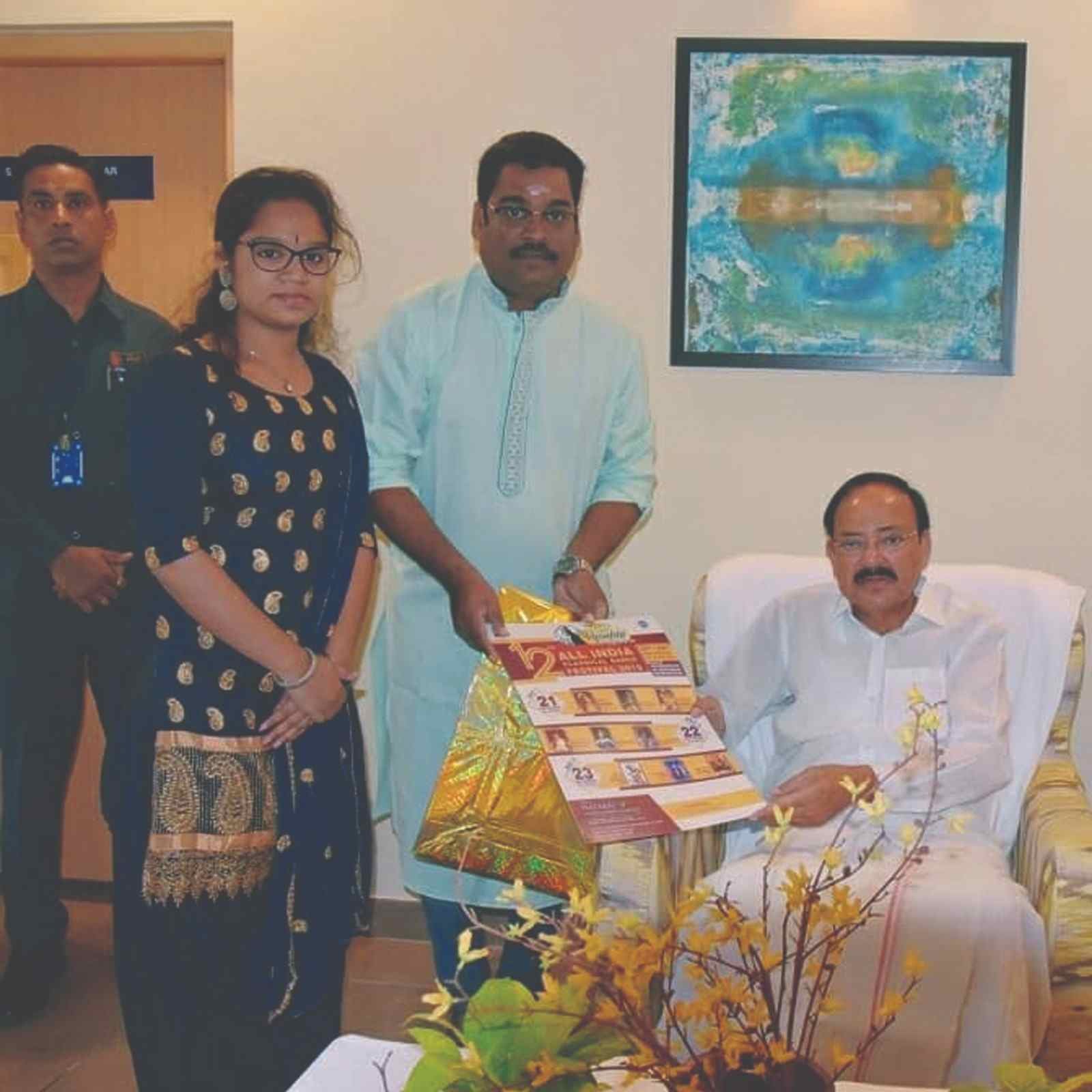
The institution-building approach was complemented by a series of dance festivals. Initiatives such as Vysakhi Nrithyotsav, Bharat Nrithyotsav, Nataraj Nrithyotsav, Sathyabhama Yuva Nrithyotsav, Jathis Music & Dance Festival and Amaravathi Nrithyotsav have provided opportunities for both experienced artistes and emerging performers.
A particular focus of his work has been creating opportunities for young artists. Youth-oriented platforms allow upcoming dancers to perform before wider audiences and learn from experienced practitioners.
His efforts have also moved toward creating stronger cooperation among festival organisers through the Federation of Classical Dance Festival Organisers. Such an approach recognises that the development of classical arts requires collaboration rather than isolated efforts by individual institutions.
International cultural exchange is another element of this vision. Through initiatives such as the International Traditional Dance Congress, practitioners, teachers, scholars and cultural representatives can interact through performances, workshops, presentations and discussions.
Vikram’s cultural activities also extend into publishing. As editor of The Dance India, he has used journalism to document performers, productions, historical personalities and traditional practices. The publication has been described as being subscribed to by more than 650 libraries across India, giving its content a potential long-term role in cultural education and research.
His publishing work includes biographical documentation connected with Kuchipudi legend Padma Bhushan Dr. Vempati Chinna Satyam. More than 10,000 complimentary copies of publications including The Reformer and Kuchipudi Vythalikudu were distributed as part of this preservation-oriented effort.
For Vikram, documentation is particularly important because cultural heritage can be difficult to reconstruct once valuable knowledge disappears. Recording the work of gurus, performers and institutions creates a reference for students and researchers.
He has also highlighted the importance of copyright and intellectual-property awareness within the performing arts. With creative material now easily shared through digital platforms, questions surrounding attribution, ownership and responsible reproduction have become increasingly relevant.
The different areas of Vikram Kumar B R’s career ultimately connect to a common objective: creating continuity.
A festival provides a stage.
An academy provides training.
Research provides understanding.
Journalism provides documentation.
Cultural networks provide cooperation.
And young artists provide the next generation of practitioners.
By working across these areas, Vikram Kumar B R has positioned himself not simply as a performer but as a participant in the larger process of cultural institution building.
His journey demonstrates that preserving Indian classical arts is a long-term responsibility requiring many forms of engagement. Tradition remains alive when it is performed, taught, researched, documented and shared with new audiences.
The lasting significance of such work lies in building bridges between generations. The knowledge inherited from earlier masters can then reach young practitioners in forms that are relevant to their time while remaining connected to the authenticity of the tradition.
For Indian classical arts, this bridge between heritage and the future can be as important as the performance itself.